
Connecting Experts in Mycorrhiza Research
The International Mycorrhiza Society (IMS) unites scientists, researchers, educators, and businesses to share advancements in mycorrhizal research worldwide. With nearly 500 members, IMS is a Canadian registered non-profit organization and hosts the biennial International Conference on Mycorrhiza (ICOM), its primary platform for knowledge exchange.
Founded in 1998 during ICOM2 in Uppsala, Sweden, IMS was envisioned by Yolande Dalpé, J. André Fortin, Peter Moutoglis, and Robert Augé.
The new logo of the International Mycorrhiza Society, created in 2025, represents the society’s mission to facilitate mycorrhizal research and commitment to inclusivity, collaboration, and environmental sustainability on a global scale.
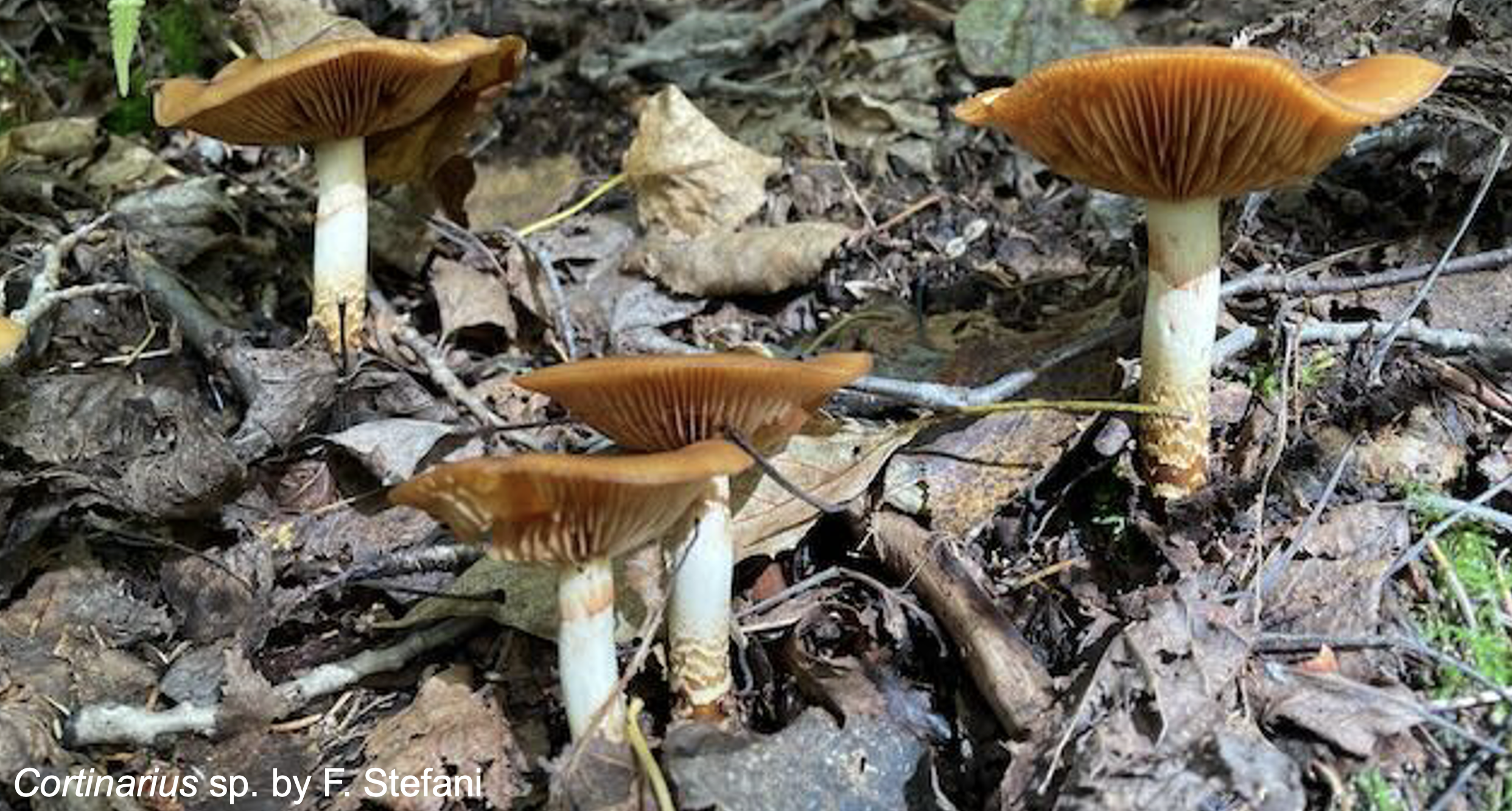
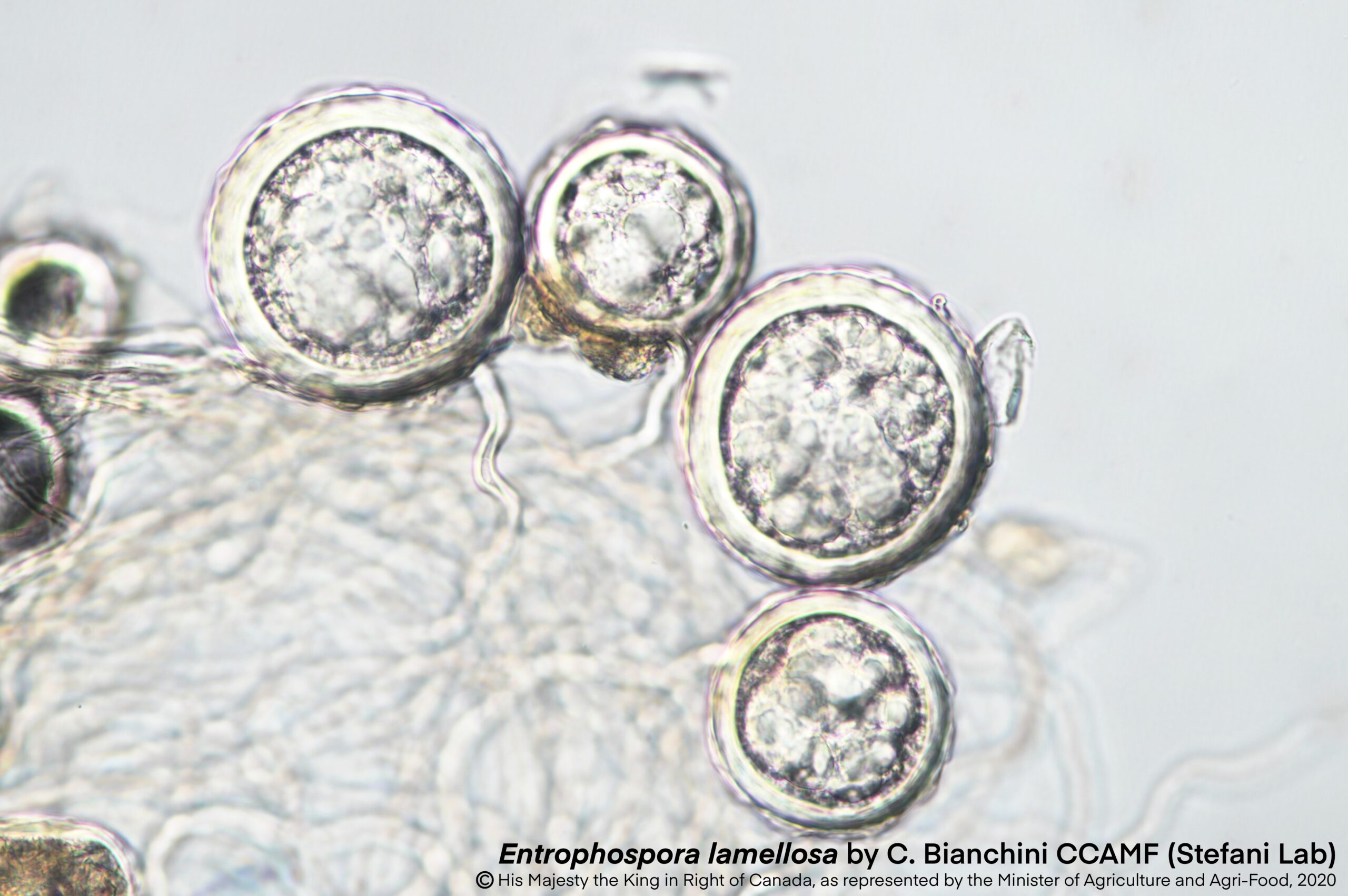
Building a Global Mycorrhizal Network
The International Mycorrhiza Society (IMS) works globally to facilitate mycorrhizal research and its application. It reflects the diverse geographies, ecosystems, and peoples around the world, united under the goal of advancing our understanding of mycorrhizal symbioses.
We appreciate funding from The New Phytologist Foundation. The New Phytologist Foundation is an independent, not-for-profit organization dedicated to the promotion of plant science. It owns and produces the international journals New Phytologist and Plants, People, Planet, and provides grants and awards to the international community of plant science researchers.

ICOM: A Global Biannual Forum for Mycorrhizal Research
The International Conference on Mycorrhiza (ICOM), supported by the IMS since 1996, is a key global event held on alternate continents. It features research presentations, workshops, and discussions, encouraging student participation and welcoming environmental practitioners.
Past ICOMs have been held in Berkeley (USA), Uppsala (Sweden), Adelaide (Australia), Montréal (Canada), Granada (Spain), Belo Horizonte (Brazil), New Delhi (India), Flagstaff (USA), Prague (Czechia), Mérida (Spain), Beijing (China), Manchester (UK) with ICOM13 and 14 scheduled for Cairns (Australia) and Québec City (Canada) in 2026 and 2028, respectively. The IMS provides logistical and financial support to organizing teams.
IMS Executive
-
Dr. Marcel van der Heijden
Past President (2024-2026)



IMS Board members
-
Dr. Franck Stefani
Treasurer (2019-present) -
-
Roxane Bergeron
Secretary (2025-present)Master of Science in Biology, Department of Biology, Algoma University, Canada





Code of Conduct for IMS Membership
-
To create and foster a safe, welcoming space for the diversity of our members, we expect our members to:
-
- Communicate openly and with respect for others.
- Do not engage in personal attacks.
- Critique ideas, not people.
- Respect the rules and policies of venues hosting ICOM.
- Endeavour to behave respectfully towards the local culture.
-
-
Harassment in any form will not be tolerated.
Harassment is defined as systematic, continued, unwanted or annoying actions of one party to another.
Harassment includes, but is not limited to: offensive gestures or speech related to ethnicity, religion, disability, health condition, appearance, gender, sexual orientation, family status, career status, or social status, as well as deliberate intimidation, stalking, following, unwanted photography or recording, sustained disruption of presentations and events, unwelcome attention or physical contact, or sexual harassment. Sexual harassment is unwelcome verbal, written, or physical attention (including actions designed to intimidate or coerce), such as unwanted and unnecessary touching or other physical contact, unwanted comments, suggestions, or questions regarding sexual activity, and using degrading words, images, or sounds to describe a person.
Unacceptable behaviour explained as attempted humour or disguised as humour still constitutes unacceptable behaviour as defined above.
Other examples of unacceptable behaviour include:
- Physical or verbal abuse of any participant at ICOM.
- Engaging in discrimination against persons or groups.
- Use of sexual or discriminatory images in public spaces or in presentations.
- Bullying in person or online.
- Retaliation for reporting unacceptable behaviour.
- Advocating for or encouraging any of the above-mentioned behaviours.
Impairment from alcohol, cannabis, or illegal substances is not an excuse for unacceptable behaviour.
-
If the offence occurs at an ICOM, complaint assessments shall be the responsibility of a person or committee to be appointed by the IMS board of directors before each ICOM. If the offence occurs outside of ICOM, assessments will be made by the Executive and Board of Directors. All complaints will be kept confidential to the extent it is possible.
You may submit an anonymous complaint. The IMS will retain anonymous complaints; however, the society will not be able to take action on a single anonymous complaint without further corroboration.
All complaints will be documented, regardless of whether any disciplinary action occurs.
All complaints will be assessed. This may include gathering details and information from the complainant, the target (if not the complainant), and witnesses. The complainant or target will not be expected to discuss the incident with the offending party.
Outcomes of assessments will not be made public, but those filing complaints may request to be informed of the outcome.
Violators of this Code of Conduct will receive written documentation of actions taken in response to a complaint.
The IMS boards of directors shall be responsible for implementing all responses and sanctions that may be decided on following a complaint.
-
The IMS reserves the right to suspend or remove an individual from the society for failing to abide by this Code of Conduct.
In the event that a Member should be expelled or suspended from membership in the Society, the President shall provide twenty (20) days notice of suspension or removal to the Member and shall provide reasons for the proposed suspension or removal. The Member may make written submissions to the President in response to the notice received within such twenty (20) day period. In the event that no written submissions are received by the President, they may proceed to notify the Member that the Member is suspended or removed from membership in the Society. Where written submissions are received in accordance with this section, the Board will consider such submissions in arriving at a final decision and shall notify the Member concerning such final decision within a further twenty (20) days from the date of receipt of the submissions.
If you are the subject of unacceptable behaviour, or have witnessed such behaviour in an IMS member, please immediately notify codeofconduct@mycorrhizas.org
Complaints should not be made via social media. This is to ensure the confidentiality and fairness of the complaints process and that complaints are received in a timely manner.