|
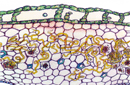
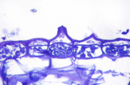
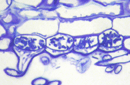
Four genera of thallose liverworts (Aneura, Cryptothallus, Riccardia, and Verdoornia) in the family Aneuraceae are associated with basidiomycete fungi. The colonization pattern in these is similar to that found in photosynthetic orchid species in which complex intracellular coils form. In these liverwort genera, the intracellular coils form in non-photosynthetic thallus cells. Coils are digested by host cells in a similar manner to that described in orchid mycorrhizas; reinvasion of host cells containing digested coils may occur.
The only known non-photosynthetic liverwort genus, Cryptothallus, is dependent on photosynthetic genera such as Betula (birch) for its source of carbon. Hyphae of the basidiomycete, Tulasnella, link the developing thallus of Cryptothallus to birch roots that form typical ectomycorrhizas, including a fungal mantle and Hartig net. The same fungus forms intracellular coils within thallus cells of the liverwort.
|