|
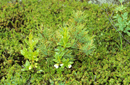
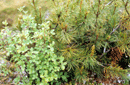
Ectomycorrhizas are usually found on tree species, although a few shrub and herbaceous species may also develop this association. Considerable attention has been focused on ectomycorrhizas because many of the tree species involved are important commercially for lumber and paper products worldwide.
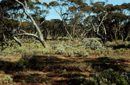
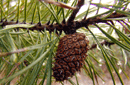
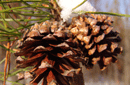
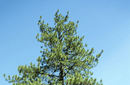
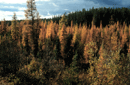
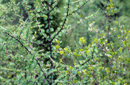
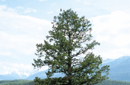
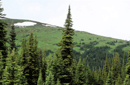
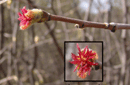
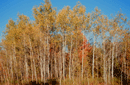
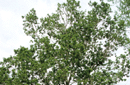
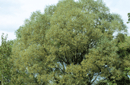
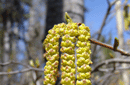
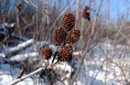
Conifer genera such as Picea (spruce), Pinus (pine), and Larix (larch, tamarack) form vast tracts of the boreal forest in the northern hemisphere, whereas conifer species such as Pseudotsuga menziesii (Douglas-fir) and Picea sitchensis (sitka spruce) occur in the northwestern cool rainforests in North America. Ectomycorrhizal species in angiosperm genera including Alnus (alder), Betula (birch), Salix (willow), Fagus (beech), Populus (poplar), and Quercus (oak) occur widely in north temperate forests of the world. In the southern hemisphere, the very large angiosperm genus Eucalyptus and several genera in the family Dipterocarpaceae are the dominant ectomycorrhizal tree species. Other important angiosperm genera forming ectomycorrhizas include Lithocarpus (approximately 100 species, mostly in S.E. Asia),
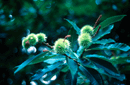
Castanea (chestnut), Nothofagus (southern beech), Corylus (hazelnut), and other important nut species.
|

-q.gif)








-wil.gif)


.gif)
.gif)